Cost-Effective Deck Building Solutions: Increase Your Home's Value
Cost-effective deck building solutions provide an ideal approach for homeowners aiming to increase their property's value. A well-constructed deck not only enhances outdoor aesthetics but can also appeal to future buyers. By choosing cost-effective materials and skilled contractors, homeowners can establish an appealing outdoor environment. Still, understanding the specifics of deck design and materials is important. What aspects should be taken into account to secure a sound investment?
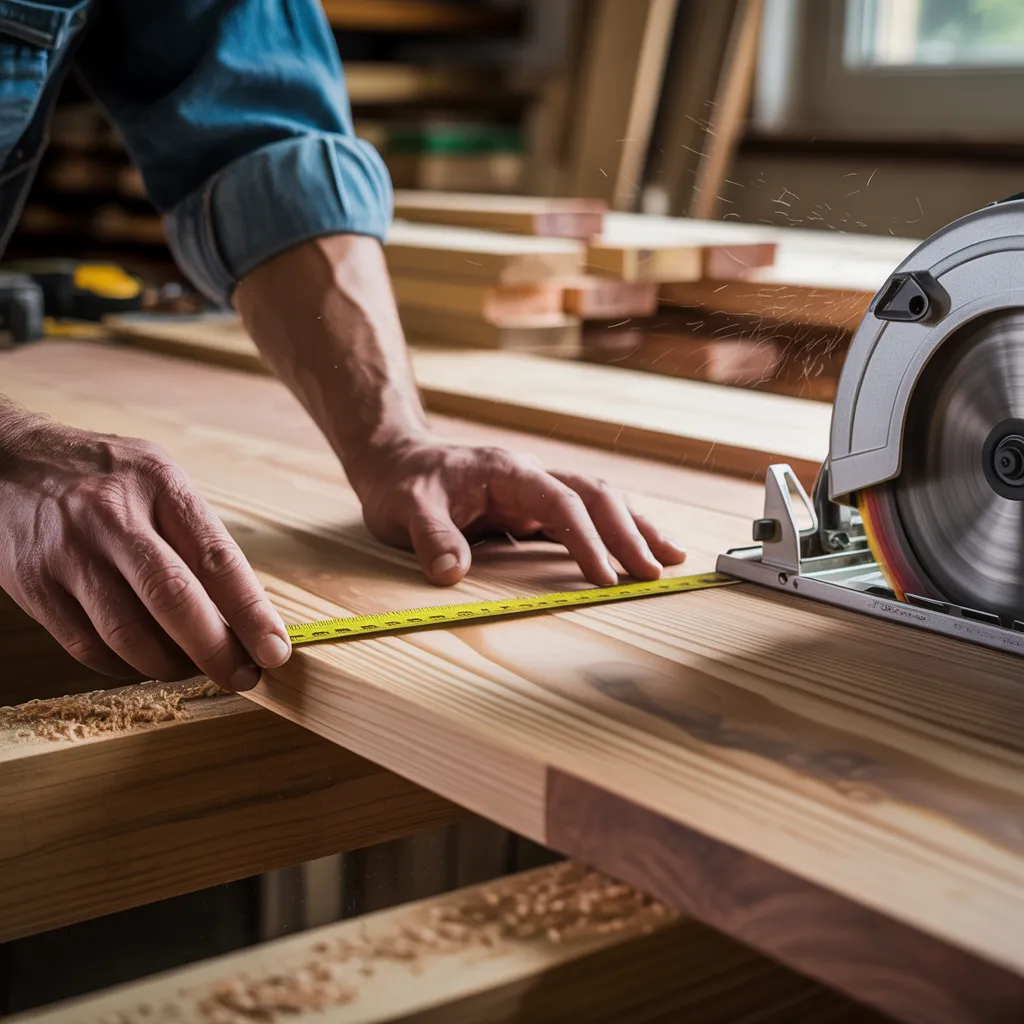
Top Reasons to Invest in Affordable Deck Building for Your Home
Investing in affordable deck building can significantly improve a property's worth and attractiveness, especially when homeowners recognize the enduring rewards. A key reason to consider this investment is the additional outdoor living area it offers. A thoughtfully constructed deck acts as a natural extension of your living space, offering a multifunctional zone for unwinding, hosting guests, or outdoor meals. Additionally, decks can encourage a more active way of living by motivating residents to enjoy the outdoors.
Moreover, affordable deck building can result in increased property values. A well-constructed deck frequently draws in potential buyers, making homes more attractive on the market. Durability and low maintenance costs associated with quality materials contribute to the deck's practicality and appeal. Additionally, the aesthetic enhancement that a deck brings can establish an inviting atmosphere, promoting a feeling of ease and satisfaction. Property owners who thoughtfully invest in deck installation are expected to experience both immediate and future benefits, elevating their day-to-day enjoyment of their home.
Ways a Deck Can Boost Your Home's Curb Appeal
An elegantly designed deck serves as a remarkable focal point that considerably improves a home's curb appeal. Its presence reshapes outdoor spaces, inspiring potential buyers and visitors to envision relaxed get-togethers or peaceful nights. A thoughtfully designed deck complements the architectural style of the house, creating a harmonious aesthetic that enhances the home's overall appeal.
Furthermore, the materials and finishes chosen can highlight a property owner's individual taste, further contributing to visual appeal. Lush landscaping complemented by a deck can establish a balanced environment, drawing attention to the property.
In communities where properties often resemble one another, a standout deck can make a property stand out, showcasing individuality and attention to detail. This enhancement not only appeals to the eye but also signifies thoughtful investment in the home, making it more appealing in today's demanding real estate landscape. Ultimately, a deck serves as both a functional space and an aesthetic upgrade, substantially enhancing the property's curb appeal.
Types of Deck Materials and Associated Costs
When considering deck construction materials, property owners often weigh the benefits of wood and composite alternatives. Each material presents unique advantages and fluctuating expenses that can greatly impact the overall budget for the project. Examining these elements supports making knowledgeable determinations tailored to specific needs and financial considerations.
Wood Decking Options
Wood decking options present homeowners with numerous alternatives that cater to both visual preferences and financial limitations. Frequently chosen materials encompass pressure-treated pine, known for its affordability and resilience, making it a popular option for cost-sensitive undertakings. Cedar and redwood offer a more natural appearance and resistance to decay, although they carry a larger price tag. Premium tropical woods, like ipe and mahogany, deliver remarkable strength and elegance but could considerably elevate overall expenditures. Moreover, maintenance factors, such as applying stain and sealant, can impact long-term costs. Ultimately, selecting the appropriate wood decking involves reconciling initial expenditure with long-term durability and appearance, helping homeowners secure a worthwhile return on their financial commitment.
Composite Material Benefits
While many homeowners consider traditional wood options, composite materials are growing in popularity due to their numerous benefits. Such materials, often made from a blend of recycled plastic components and wood fibers, offer exceptional durability and resistance to weathering, pests, and rot. This durability decreases the need for frequent repairs and replacements, making them a sensible option for busy homeowners. Additionally, composite decking needs far less maintenance than wood, removing the requirement for regular staining or sealing. Offering a wide selection of colors and textures, composite materials can replicate the look of natural wood while providing a more consistent look. All things considered, these benefits make composite decking a highly attractive choice for those seeking to improve their outdoor living areas without compromising on quality or visual appeal.
Cost Analysis Comparison
Being aware of the costs tied to different deck materials is vital for homeowners embarking on a deck installation project. A range of materials feature varying price points, impacting overall project costs. Pressure-treated wood typically costs between $15 to $25 per square foot, making it a popular yet affordable choice. By comparison, luxury hardwoods, including teak or mahogany, often range from $30 to $60 per square foot, drawing in those who value both strength and beauty. Composite materials, while initially pricier at $20 to $40 per square foot, offer longevity with minimal maintenance, potentially offsetting long-term costs. Ultimately, selecting the right material involves balancing upfront expenses with future maintenance needs, ensuring the investment aligns with the homeowner's budget and desired deck functionality.
Important Design Characteristics for Your Ideal Deck
When evaluating the design of a perfect deck, choosing the right materials is crucial for both aesthetics and durability. Additionally, the layout and functionality must complement the intended use, whether for social gatherings, leisure, or outdoor planting. In harmony, these aspects establish a well-integrated outdoor environment that elevates the living space.
Material Choice Considerations
Choosing the right material options for a deck is vital to reaching both practicality and aesthetic appeal. Property owners encounter several options, including wood, composite, and PVC materials. Real wood delivers a classic look and can be treated for extended durability, but demands consistent care. Composite options provide weather resistance and durability, making them easy to maintain while replicating the look of wood. PVC presents an additional choice, noted for its ability to resist fading and stains, but might be missing the warmth of natural wood. Furthermore, factors such as budget constraints, local climate, and intended usage play significant roles in material selection. By carefully evaluating these factors, property owners can be confident their deck meets both aesthetic and functional requirements, improving their outdoor living space effectively.
Organization and Usability
Once you have selected the right building materials, the following step includes examining the arrangement and practicality of the deck. A well-planned layout optimizes space while ensuring ease of movement and accessibility. Property owners should consider the deck's main function—whether for entertaining, relaxing, or gardening—and design accordingly. Features such as built-in seating, planters, or privacy screens may improve functionality and visual charm. Additionally, integrating flow with the home's structural style and outdoor environment is critical for a balanced appearance. Thoughtful zoning, with specific sections for meals or leisure, can enhance the entire outdoor setting. Taking into account elements such as sunlight and wind patterns will also contribute to a more enjoyable outdoor environment. At the core, careful planning and purposeful functionality raise both the enjoyment and overall worth of the home.
How to Identify Dependable Deck Builders in Your Local Area
Locating trustworthy deck builders nearby can often feel like an overwhelming undertaking. To begin the search, homeowners should ask for referrals from friends, family, or neighbors who have just finished comparable work. Online reviews and ratings on platforms like Yelp or Google can deliver useful perspectives on local builders' track records.
Next, it is essential to verify credentials. Contractors must be certified and covered by insurance, safeguarding against possible liabilities. Seeking out a portfolio of prior work helps determine craftsmanship and style compatibility.
Homeowners should also obtain a data number of bids to assess pricing and services offered. Transparent communication is key; builders should be willing to answer questions and supply thorough project timelines. Additionally, checking for warranties or guarantees can offer additional peace of mind. By adhering to these guidelines, homeowners can effectively choose a reliable deck builder who satisfies their requirements and standards.
How to Plan Your Budget for Affordable Deck Construction
Planning a budget for affordable deck construction demands thorough planning and evaluation of multiple factors. Property owners should first identify their complete budget, covering not just the cost of materials but also labor, permits, and any unexpected costs that may arise. Investigating local material prices for options such as wood, composite, or vinyl can assist in making well-informed decisions that align with financial limitations.
Moreover, it's vital to thoughtfully evaluate features and design elements. A basic design can be more cost-effective than detailed design components. Property owners should also take advantage of special offers or seasonal promotions from suppliers, which can lead to significant savings.
Finally, collecting multiple quotes from trusted deck builders can provide insight into market rates and aid in identifying the ideal professional. Through assessing these various aspects, home owners can build a realistic budget that allows for a high-quality deck while staying within financial limits.
The Impact of Adding a Deck on Real Estate Value
Installing a deck can significantly boost a home's market value, often providing a return on investment that interests future buyers. Housing market professionals frequently note that properties featuring decks generally sell more rapidly and at greater values compared to comparable homes lacking outdoor areas. A professionally built deck offers extra living area, allowing homeowners to enjoy outdoor entertaining, cookouts, or peaceful evenings outside, which can be especially appealing in neighborhoods centered around family living.
Additionally, decks may function as a focal point in yard planning, converting an average space into a sought-after escape. Buyers often regard a deck as a indicator of a carefully maintained house, also improving its appeal to buyers. Regional preferences also have an impact; in warmer climates, a deck can be a primary draw. In the end, investing in a deck can not only boost a residence's curb appeal but also significantly add to its overall market value.
Maintenance Tips to Preserve Your Deck's Value
Maintaining a deck is crucial for preserving its value and guaranteeing longevity. Periodic inspections need to be carried out to identify any signs of wear, such as cracked timber or unstable planks. Washing the deck a minimum of two times annually helps eliminate grime and mold, which can cause deterioration. Utilizing a mild cleaning solution and a soft brush or power washer guarantees a thorough clean without damaging the surface.
Applying a weatherproof sealant every couple of years is essential to defend against UV damage and moisture, thereby prolonging the deck's lifespan. It is also essential to ensure gutters remain unobstructed to avoid water buildup and to guarantee adequate drainage.
For wooden decks, periodic sanding could be needed to get rid of rough areas and maintain an appealing finish. Lastly, guaranteeing that furniture and planters are shifted at regular intervals can prevent uneven fading and pressure marks, thereby protecting the deck's visual appeal and structural integrity.

Common Questions and Answers
Which Permits Are Needed for Deck Construction?
Building a deck usually demands an official building permit, zoning approval, and possibly supplementary permits for plumbing or electrical work. Local regulations vary, so consulting the municipality is essential to guarantee compliance with all requirements.
How Much Time Does a Standard Deck Installation Require?
A typical deck installation usually takes one to three weeks to complete, based on the size, complexity, and weather conditions involved. Thorough planning and obtaining the necessary permits can impact the timeline, helping to ensure a more seamless construction process.
Is It Better to Build a Deck DIY or Hire a Professional?
One can choose to build a deck as a DIY project, which offers a sense of accomplishment, or bring in a professional for their skill and effectiveness. Both options depend on individual skills, budget, and desired outcome.
What Are the Latest Deck Design Trends This Year?
In the current year, common deck design trends feature multi-tiered structures, built-in seating, environmentally friendly materials, and vibrant color schemes. In addition, outdoor illumination and intelligent technology integrations are growing in demand, improving functionality and visual appeal for homeowners.
Are Environmentally Friendly Materials Available for Deck Building?
Absolutely, there are multiple eco-friendly options for deck building, including reclaimed wood, bamboo materials, and composite materials created from recycled plastics and wood fibers. Such alternatives decrease ecological impact while delivering long-lasting beauty and strength.