Defend and Improve Your Deck: Professional Deck Staining Services You Can Trust
When it relates to maintaining a deck, skilled staining experts present a trustworthy choice. These specialists understand the nuances of different wood types and local climates, delivering superior protection and aesthetics. By choosing experienced experts, homeowners can sidestep typical mistakes and conserve valuable time. However, picking the right service can be challenging. Recognizing what to identify is vital to achieving durable outcomes. The journey to a beautifully stained deck begins here.
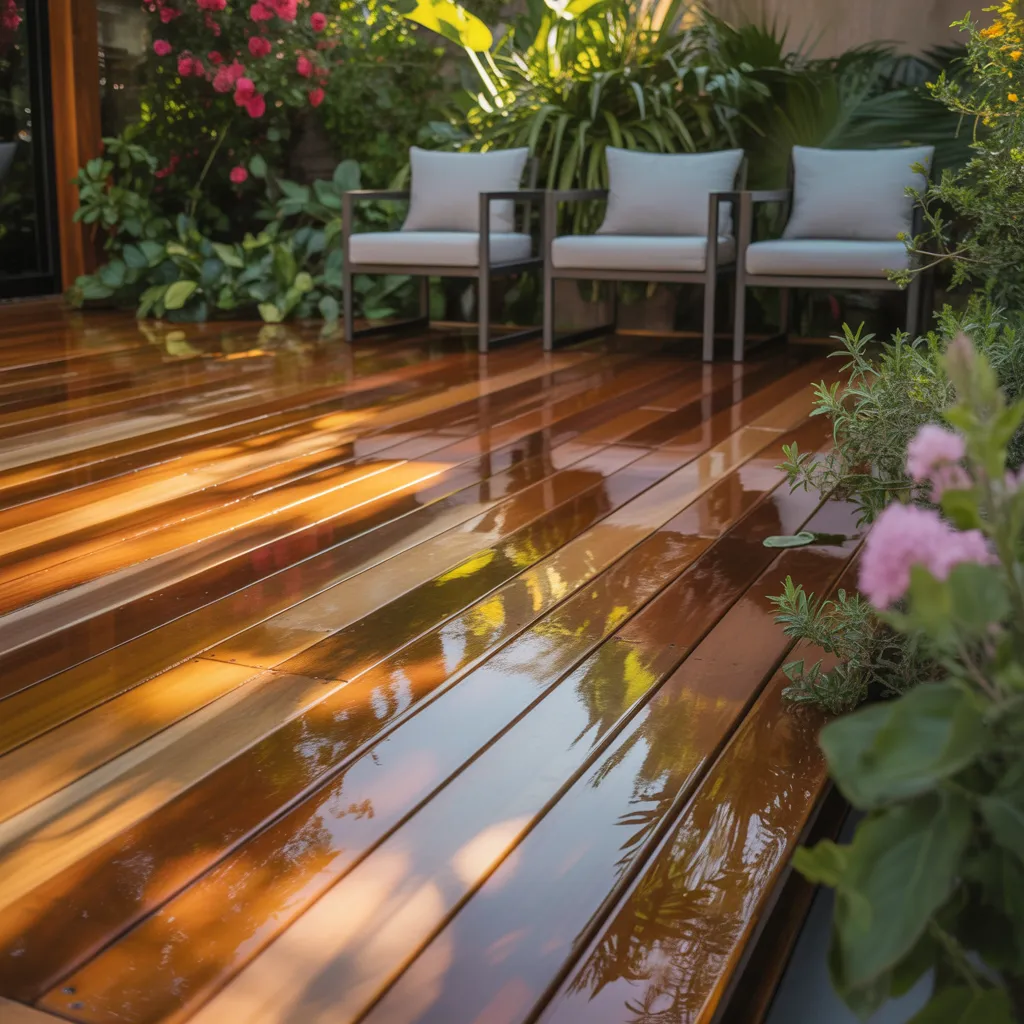
Why It's Important to Engage Professionals for Deck Staining
When evaluating deck staining, homeowners regularly overlook the benefits of hiring professionals. Engaging specialists guarantees a higher quality finish, as they possess the necessary skills and experience to handle various wood types and conditions. Professionals understand the complexities of selecting the right stain, taking into account factors like wood porosity and local climate. Furthermore, they have access to specialized tools and equipment that make the process more efficient and successful.
In addition, professionals can help save homeowners time and effort, allowing them to focus on other important tasks. They are also knowledgeable with safety protocols, reducing the potential of accidents during the staining process. By retaining professionals, homeowners can achieve enduring performance that boost their deck's visual presentation and longevity. Ultimately, the investment in expert services can provide a stunningly finished deck that not only looks beautiful but also delivers protection against the outdoor conditions for the foreseeable future.
Steer Clear of These Usual Deck Staining Missteps Before You Kick Off
Many homeowners commit critical errors when dealing with deck staining, often leading to unsatisfactory outcomes. A common fault is neglecting proper surface prep. Not cleaning the deck thoroughly traps dirt and debris, which keeps the stain from adhering properly. Another error is selecting the wrong type of stain; choosing an oil-based stain when a water-based product is needed results in peeling and uneven coverage. Moreover, staining in direct sunlight is not recommended because the stain dries too fast, causing blotches. Many neglect to apply multiple thin coats instead of one thick coat, which can reduce durability. Lastly, failing to allow enough drying time between coats causes issues with the finish’s integrity. Avoiding these pitfalls ensures homeowners a more effective and durable deck staining project.
Preparing Yourself for The Deck Staining Process
When considering deck staining, people can expect a extensive preparation process that encompasses surface cleaning to guarantee optimal results. Following this, the staining process comprises applying the chosen product evenly for a lasting finish. Understanding these steps can help establish realistic expectations for the project.
Preparation and Surface Cleaning
interfere with the staining process. It's vital that the surface is dry before coating any stain to establish proper absorption. Additionally, any damaged boards or loose nails should be addressed
The Staining Procedure Overview|Dyeing Method Breakdown|An Explanation to the Pigmentation Application|Tinting Process Fundamentals|Learning about the Staining Procedure
The deck coloring process unfolds in a series of clear steps that guarantee a smooth and effective finish. At first, the professional team inspects the deck for any flaws or areas requiring repair.|Initially, the expert team inspects the deck for any damage or areas in need of repair.|Initially, the professional team inspects the deck for any damage or areas requiring repair.|At the start, the professional team reviews the deck for any problems or areas needing repair. After making sure the surface is completely dry and cleaned, they select a premium stain suited for the wood type and desired finish. The application starts with edging, followed by using a roller or spraying the stain evenly across the deck boards.|Applying the stain begins with edging, followed by rolling on or spraying the stain evenly over the deck boards.|Application commences with edging, then roller application or spray-coating the stain evenly across the deck boards.|The application commences with edging, followed by rolling or spraying the stain evenly over the deck boards. Attention is given to prevent puddling and ensure uniform coverage. Once the first layer dries, an additional coat may be added for extra protection and richer color. Lastly, the team gives instructions on drying periods and maintenance, making certain the deck stays lovely and well-protected for the future.
Steps to Determine the Appropriate Deck Staining Service for You
Selecting the right deck staining service can seem daunting, especially with so many options available. To make an informed decision, property owners should begin by researching nearby businesses and reading customer reviews. A trustworthy service will have a portfolio showcasing their past projects, enabling prospective customers to assess quality and style.
Next, it's important to inquire regarding the types of stains and sealants used, as well as the application methods employed. This assures that the chosen service aligns with the homeowner's preferences for durability and aesthetics. Additionally, requesting various estimates can provide clarity on rates and quality.
Finally, assess the company's experience and whether they extend warranties for their work. Picking a service with a solid track record and transparent communication will ultimately produce a more satisfying deck staining experience. By executing these steps, homeowners can with assurance pick a service that meets their needs and upgrades their outdoor space.
The Advantages of Using High-Quality Stains and Sealants
Putting money into superior stains and sealants can significantly enhance the lifespan and appearance of a deck. These superior products offer essential protection against humidity, UV rays, and temperature changes, which may cause wood twisting and decay over time. By creating a strong barrier, top-grade stains and sealants help prevent mold and mildew growth, providing a neater surface that is more convenient to maintain.
Plus, upscale finishes often contain pigments that enhance the wood's natural splendor, magnifying pigmentation and highlighting grain patterns. This not only improves the visual appeal but also adds value to the estate. Quality-focused materials typically offer better adherence and longer-lasting results, reducing the intervals between recoating. In conclusion, choosing these top-notch products can lead to noteworthy financial advantages in maintenance costs while preserving the deck's solid framework and visual beauty. Investing in quality is a prudent choice for any house owner endeavoring to shield their patio area.
How Many Times Should You Re-Stain Your Decking?
How often should homeowners plan for re-staining their decks? Typically, it is wise to re-stain a deck every two to three years, although varied factors may alter this schedule. The wood type, climate conditions, and stain quality all play key roles in setting the necessary frequency. In regions with extreme weather conditions, like strong sun or heavy rainfall, re-staining might be needed more frequently to protect the wood from damage. Homeowners should also watch for signs of wear, such as loss of color or water absorption, indicating that the protective layer has reduced. Performing regular maintenance checks can assist in monitoring these conditions, ensuring the deck stays in top condition. Ultimately, being proactive about re-staining can lengthen the deck’s lifespan and keep its appearance intact, making it a valuable investment for homeowners.
Suggestions for Preserving Your Newly Stained Deck Looking Great
To ensure a newly stained deck maintains its charm and durability, homeowners should follow a few essential care practices. Consistent cleaning is vital; using a broom or leaf blower to take away debris prevents mold and mildew formation. A gentle wash with water and soap can eliminate dirt without damaging the stain.
Homeowners must likewise avoid using strong chemical agents, as these can strip the finish. Instead, going with a pH-balanced cleaner will retain the stained surface.
In addition, setting mats at entry areas decreases dirt and moisture tracked onto the deck. This simple step can meaningfully lengthen the life of the stain.
In conclusion, periodic inspections for symptoms of wear or color fading allow for timely touch-ups, confirming the deck remains vibrant and well-protected. By observing these directives, homeowners can delight in a remarkable and sturdy deck for years to come.
Frequently Requested Questions
What represents the Typical Duration for Deck Staining Finishing?
Deck staining regularly needs one to two days to execute, relying on the deck's dimensions and weather conditions. Meticulous preparation and drying time are essential for achieving ideal results and durability of the finish.
Should I Coat My Deck After It Has Rained?
It is not advisable to apply stain to your deck right after it rains. The deck must be totally dry to ensure proper adhesion and jump in absorption of the stain, usually needing a wait of 24 to 48 hours post-rain.
What Setup Is Essential Before Treating My Deck?
Prior to finishing a deck, you should thoroughly clean it, making sure all dirt and debris are removed. Allow the surface to completely dry and examine for damage or loose boards that may need repair.
Do eco-friendly coating alternatives available?
Yes, numerous eco-friendly staining options are offered, featuring water-based stains and those composed of botanical oils. These products decrease dangerous compounds, leaving them gentler on the environment while effectively preserving and beautifying the deck appearance.
Will Coating My Deck Block Mold and Fungal Issues?
Using stain on a deck can greatly lower the threat of mold and mildew by building a defensive barrier against moisture. This barrier helps maintain the wood dry, preventing the proliferation of unwanted fungi and guaranteeing longevity.